
Curso ofrecido por DRECERA: Inserción laboral de personas con discapacidad

AUDITORIO DE SANT JOAN DE DÉU. BARCELONA, 25 DE ENERO DE 2013
Más información en:

This conference on arts-based and artistic research hosted by the Postgraduate Program in Arts and Education, at the Faculty of Fine Arts of the University of Barcelona, is the result of a growing interest in the relationship between artistic research and practice. By organizing this conference, our aim is to share and debate emergent fractures in the field.
Undeniably, in recent years the art world has taken seriously the question regarding what type of contribution art practice can make in the wider research community. On one hand, the growth in the number of PhD practice-based programs is a concrete example of how art and research have converged within an academic context. More broadly, certain tendencies in the art world reveal an increased interest in assigning a social value to art production. The focus on knowledge production in artistic practices blurs the lines between art and research.
On the other side of this argument, we can observe a shif in qualitative paradigms from within academia that has carved out space for the inclusion of artistic methodologies. The presence of art practice in academic research, both as “hybrid forms” and “art for scholarship’s sake” (Cahnmann-Taylor, 2008), has been growing. From the social sciences and education, there has been an increase in literature addressing arts-based research. With the publication in recent years of a number of comprehensive volumes that categorize and document arts-based research, there is an increasing amount of theoretical and practical resources that bring together and define this body of work (Cahnmann-Taylor & Siegesmund, 2008; Leavy, 2008; Springgay, Irwin, et al, 2008; Sullivan, 2009; Barone & Eisner, 2012). The majority of these titles unite the work of educators, social scientists and artists who introduce artistic methods into their research, drawing on the afective, aesthetic, fictive and creative qualities of art in order to beter capture and communicate elements of a research process and its conclusions.
By approaching art through research, and research through art, this conference hopes to cast a multidisciplinary gaze on each field. The event hopes to create a space for critical refection that will generate new, expanded notions of both art and research.
The main objectives of this conference are:
In order to transfer knowledge and generate new perspectives in the field, this conference encourages graduate students, scholars and professionals from the arts and cultural sectors to submit their research. The conference welcomes submissions that discuss completed studies or projects, field work, or work in progress.
Due to the interdisciplinary interests of the conference, submissions can be either ‘papers’ or ‘projects’.
For both formats, authors should submit an abstract that does not exceed 400 words. Abstracts may be sent to: rachel.fendler@ub.edu, together with contact details for the author(s) and a brief mention of the author’s affiliation.
Once approved, authors submitng papers must send a short paper with a minimum of 2000 words. Authors submitng projects must send documentation of the project including a writen element that contextualizes the project and specifies how the project relates to the conference theme. These papers/projects will be shared with all delegates prior to the conference, in order to reduce the time spent on presentations and increase the time for engaging in debate and discussion during the meeting.
The abstract should clearly communicate the key points and conclusions of the paper or project, indicating the methodological framework and the relationship to the call. (400 words max.) A short list of keywords should be provided with the abstract (no more than five).
The general language of the conference (including all submissions and presentations) is English.
Información extraída íntegramente de: http://som.esbrina.eu/artsbased/ (fecha de consulta 17/01/2013)

El Foro se celebrará del 25 al 28 de junio de 2013 en Granada (España).
Para más información véase el avance del
programa:
http://www.ugr.es/~aepc/XFORO/
PROGRAMA CIENTÍFICO:
http://www.ugr.es/~aepc/XFORO/programacientifico.html
CONFERENCIAS:
http://www.ugr.es/~aepc/XFORO/conferencias.html
SESIONES
APLICADAS:
http://www.ugr.es/~aepc/XFORO/sesionesaplicadas.html
SESIONES
DE DEBATE:
http://www.ugr.es/~aepc/XFORO/sesionesdebate.html
Se pueden presentar comunicaciones sobre las temáticas que trata el Foro.
IMPORTANTE: Fecha límite de presentación de trabajos: 21 de marzo
Normas para las presentaciones de comunicaciones:
http://www.ugr.es/~aepc/XFORO/presentaciontrabajos.html
El número de plazas es limitado.
For women with breast cancer, combining creative art therapy with Mindfulness-based Stress Reduction (MBSR) in an 8-week program changed brain activity in ways that are associated with lower stress and anxiety.
Cancer and stress go hand-in-hand, and high stress levels can lead to poorer health outcomes in cancer patients. Previously, lead author Daniel Monti, MD, of the Jefferson-Myrna Brind Center of Integrative Medicine has published on the success of Mindfulness-based Art Therapy (MBAT) in helping cancer patients lower stress levels and improve quality of life.
“Our goal was to observe possible mechanisms for the observed psychosocial effects of MBAT by evaluating the cerebral blood flow (CBF) changes associated with an MBAT intervention in comparison with a control of equal time and attention,” said Monti. “This type of expressive art and meditation program has never before been studied for physiological impact and the correlation of that impact to improvements in stress and anxiety.”
The investigators randomly assigned 18 patients to the MBAT program or to a control group that received an education program. All of the enrolled patients had received the diagnosis of breast cancer between 6 months and 3 years prior to enrollment in this study, and all the patients were not in active treatment. The MBAT program consisted of MBSR curriculum, which included awareness of breathing, awareness of emotion, along with mindful yoga, walking, eating, and listening. This was paired with expressive art tasks to provide opportunities for self-expression, facilitate coping strategies, improve self-regulation, and provide a way for participants to express emotional information in a personally meaningful manner.
The patient response to the MBAT program was measured with a 90-item symptom checklist that the patients completed before and after participating in the 8-week program. In addition, functional magnetic resonance imaging (fMRI) evaluated CBF both before and after the program to assess changes in the brain’s activity. Scans were performed at rest, during a neutral task (control), meditation task, stressor task, and at rest again. This series of scans was designed to evaluate the general and specific effects and to provide a thorough analysis of the CBF change between the pre- and postprogram scans.
Participants in the MBAT group demonstrated significant effects on cerebral blood flow compared with the control group. The MBAT group showed increases in the emotional centers of the brain including the left insula which helps to perceive emotions, the amygdala which helps to experience stress, the hippocampus that regulates stress responses, and the caudate nucleus that is part of the brain’s reward system. These increases correlated significantly with a lowering of stress and anxiety, as also reflected in the results of the pre- and postprogram anxiety scores among the MBAT intervention group.
Given the improvements in anxiety levels and observed changes in CBF in the MBAT participants, these findings suggest that the MBAT program helps mediate emotional responses in women with breast cancer.
This study was published in Stress and Health (2012; doi:10.1002/smi.2470).
Información extraída íntegramente de: http://www.oncologynurseadvisor.com/meditation-with-art-therapy-can-change-brain-activity-and-lower-anxiety-in-cancer-patients/article/273457/# (fecha de consulta 17/01/2013)
El TAF! (Taller de Acción Fotográfica) abre las inscripciones a su primer taller del 2013. Nos invitan a participar diciéndonos: «andáis buscando maneras de influir en lo social utilizando la fotografía, este es vuestro taller».

INFORMACIÓN FACILITDA POR ENMEDIO: Orientado a fotógrafos o a quienes se desenvuelven dentro del ámbito de las artes y la comunicación visual. Personas que estén interesadas en experimentar con la fotografía como herramienta de intervención social en el espacio público y en romper con las formas clásicas de exposición y difusión.
Los objetivos son realizar una obra/intervención fotográfica colectiva a partir de procesos de discusión sobre el espacio a intervenir, la realidad social, y la función de la fotografía documental en este entorno.
Taller impartido por: Oriana Eliçabe Duración: 22 horas a lo largo de 2 meses. Encuentros semanales los días martes. Fechas: del martes 5 de Febrero al 31 de Marzo. Intervención final de taller domingo 31 de Marzo a las 11h.* Horario: martes de 19 a 21.30h . Domingo 31 de Marzo a las 11h a 13h.
En este taller teórico-práctico el espacio a intervenir toma un papel preponderante a la hora de la creación. El taller disertará sobre la utilización de la fotografía como herramienta de comunicación, más allá de la propia imagen, concibiendo la fotografía y espacio como una unidad que interpela al espectador.
Reflexionaremos sobre nuestro entorno, la ciudad, el espacio público y el uso del mismo, desde una perspectiva artística y social. Analizaremos diversos movimientos fotográficos y artísticos desde el Constructivismo Soviético, pasando por el street art, hasta algunos movimientos contemporáneos. Utilizaremos para ello textos, vídeos y fotografías.
Este taller pretende ser un espacio de experimentación, reflexión e intercambio de conocimientos. Un espacio informal** pero no por ello menos comprometido con el logro de los objetivos. Se discutirán los proyectos de manera grupal para incentivar el debate y análisis colectivo.
Cupo limitado: máximo 12 personas. Precio total: 170€ (puede abonarse en dos cuotas). Inscripción abierta: reserva tu plaza por mail rellenando el formulario que encontrarás más abajo o enviando un e-mail a cursos@enmedio.info Lugar: Enmedio. c/ Palaudàries 25-27 bajos. Barcelona. Metro Paral·lel. Requisitos: conocimientos básicos de fotografía o artes visuales. Cámara (puede ser analógica, digital réflex o compacta) + Info: cursos@enmedio.info
* la fecha de la intervención final puede variar según las necesidades del grupo.
**Ven con té, café, galletas, mate o lo que quieras tomarte y compartir. También estará abierta la barra de Enmedio.


http://infobbaa.blogspot.com.es/search/label/BEQUES%2FCONVOCAT%C3%92RIES%2FPREMIS
En esta web se encuentran diversas convocatorias, tanto para proyectos artíticos como de desarrrollo de proyectos, y tanto a nivel estatal como internacional.
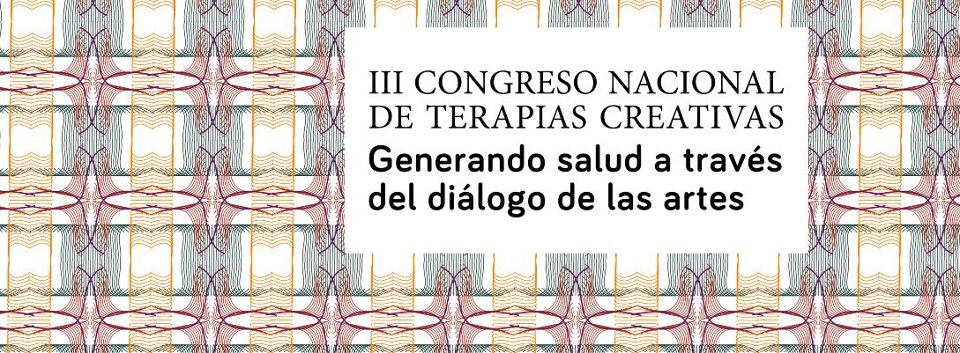
Del 11 al 14 de julio de 2013, en Victoria.Con la celebración de este congreso queremos crear un espacio de diálogo, experimentación y comunicación entre profesionales que posibilite abrir caminos en el marco de las Terapias Creativas para su asentamiento y evolución en la búsqueda de la salud, tanto individual como social. Para ello estamos trabajando en un programa articulado alrededor de las diferentes Terapias Creativas (Musicoterapia, Arteterapia, Dramaterapia-Teatroterapia y Danzaterapia), tomando como base diálogos con el Dr. Héctor J. Fiorini como hilo conductor. Esto nos servirá como base para reflexionar sobre el papel de la creatividad en la generación de salud y equilibrio dirigido al conjunto de la sociedad. Para determinar la configuración final del contenido del programa del congreso, así como la presentación de las distintas mesas y talleres* se ha determinado un Comité Científico conformado por profesionales de las distintas ramas de las Terapias Creativas procedentes de colectivos organizados que abarcan las distintas disciplinas, y que han sido elegidos por votación interna entre los representantes de las distintas asociaciones.
De esta manera el Comité Científico está compuesto por:
D. Patxi del Campo (Instituto MAP). Presidente del Comité Científico.
D. Miguel Ángel Diví (CREARTE). Presidente del II Congreso Nacional de Terapias Creativas (Zaragoza 2011).
Dña. Patricia Sabatella (AGAMUT) y Dña. Amparo Belenguer (AVMT). En representación de las AA. MT.
D. Mikel Izuel y Dña. Sally Schofield (FEAPA). En representación de las AA. AT.
Dña. Heidrun Panhofer y Dña. Sara Rodríguez (AEDMT). En representación de las AA.DMT.
Dña. Claudia Fres y Dña. Monia Presta. En representación de AA.DrT/TT.
*Nota. En los próximos días se publicarán y difundirán las bases para la presentación y admisión de ponencias, trabajos y talleres a presentar en el marco del congreso.
Desde este momento, para facilitar el acceso a toda la información relativa al III Congreso Nacional de Terapias Creativas, hemos puesto ya a vuestra disposición todos los medios necesarios para que podáis seguir toda la actualidad y novedades relativas al congreso a través de distintos canales que a continuación os proporcionamos:Web >>>>>>> http://www.congresoterapiascreativas2013.com
Facebook >>> III Congreso Nacional de Terapias Creativas
Twitter >>>>> @TCreativas2013
 mediacionartistica